
How to Get Your Private Pilot License: Requirements, Timeline, and What New Pilots Should Expect

February 11, 2026

Share this article

Earning your private pilot license is one of the most rewarding milestones in aviation. Whether your goal is recreational flying, personal travel, or laying the groundwork for a professional aviation career, the Private Pilot License (PPL) is where it all begins.


At Nationwide Aviation
, we guide students through every step of the process with structured training, experienced instructors, and a Midwest-optimized approach that sets realistic expectations and delivers real results. Below, we break down the requirements, timeline, and what new pilots should expect when pursuing their private pilot license.


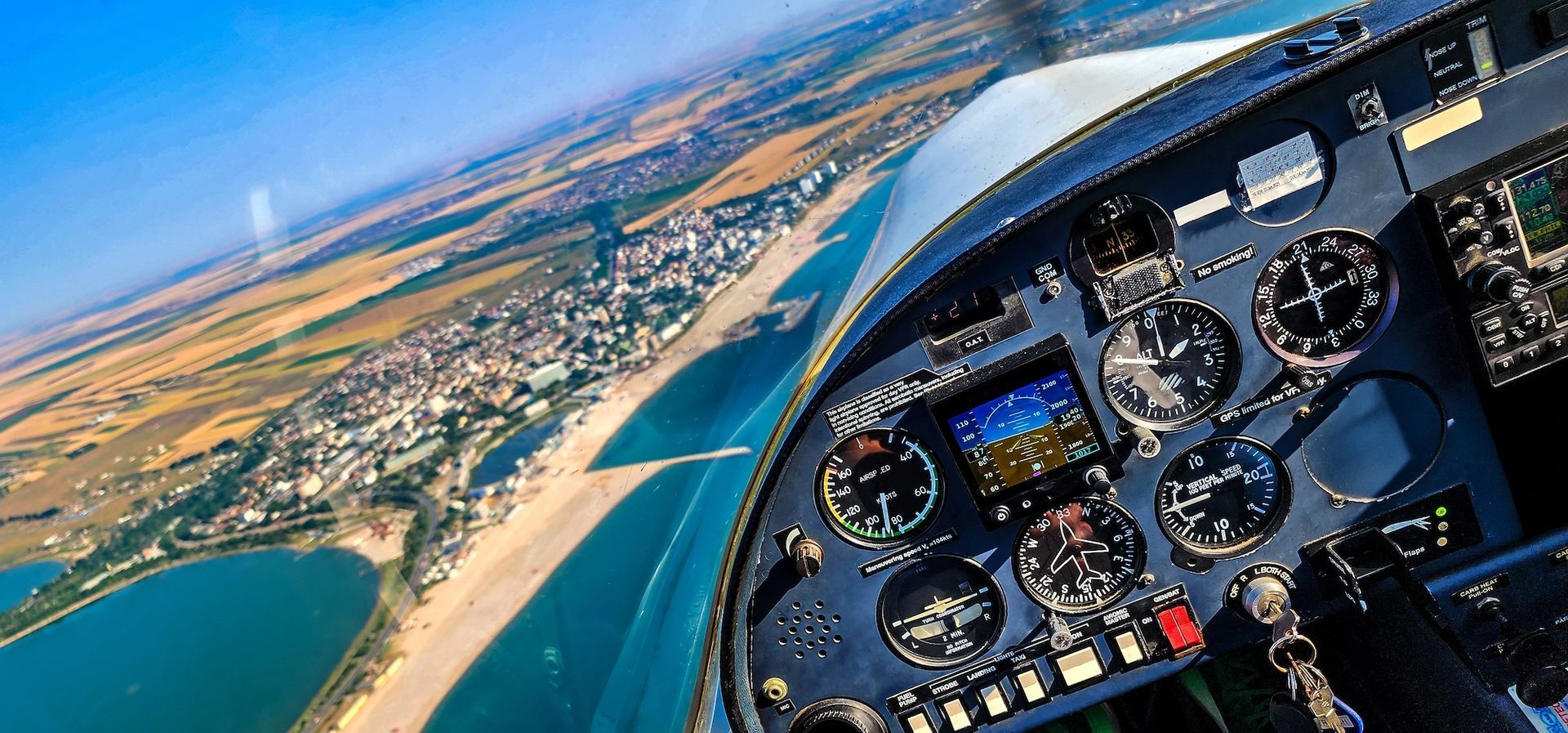
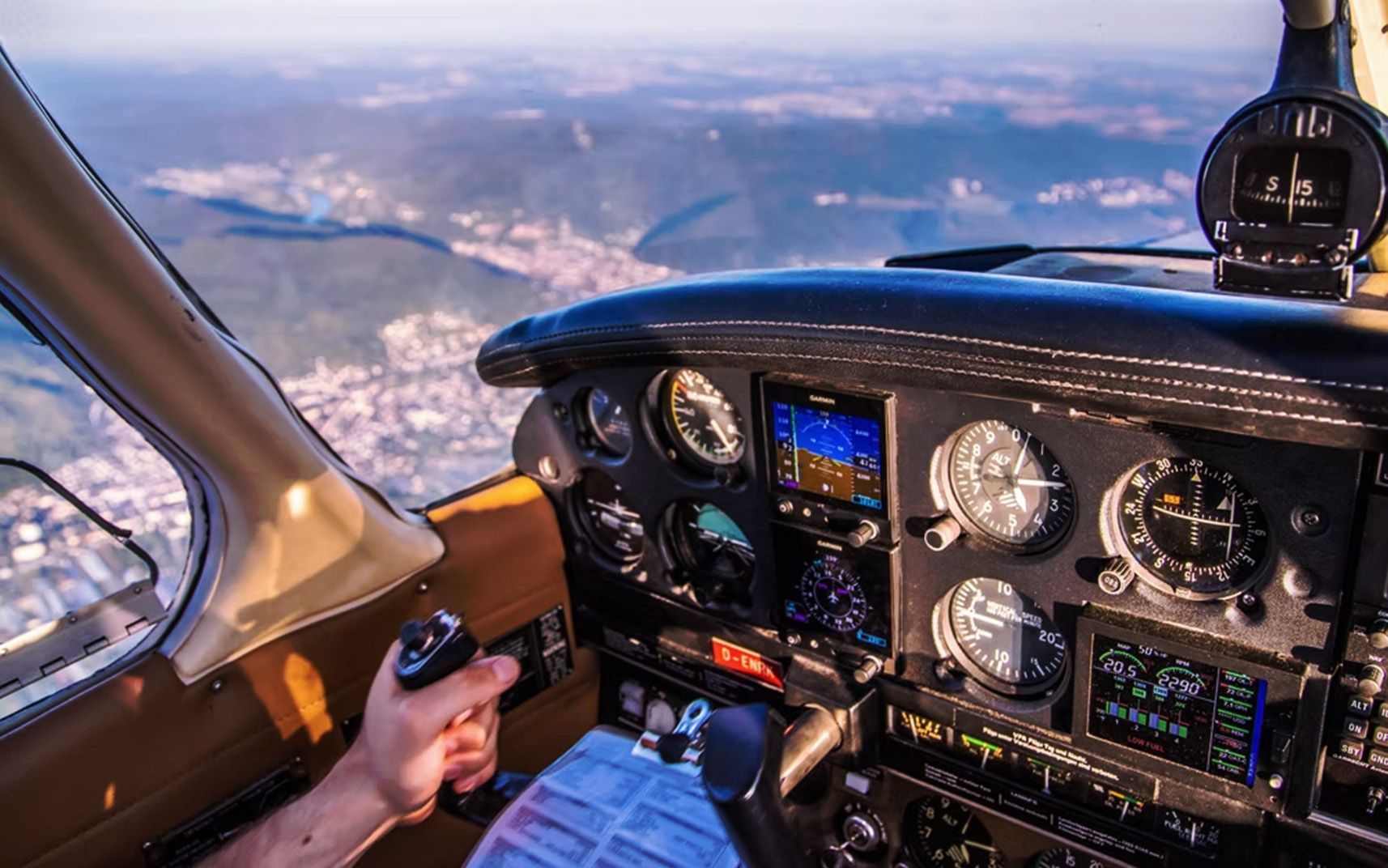
Cockpit view during private pilot license training flight showing aircraft instruments and scenic aerial landscape.

What Is a Private Pilot License? 

A private pilot license allows you to legally fly an aircraft for personal or recreational purposes. While you cannot be paid to fly as a private pilot, you can:

  • Fly solo or with passengers
  • Travel cross-country
  • Share operating expenses with passengers
  • Use aviation as a foundation for future certifications


For many students, a PPL is both a personal achievement and a gateway into advanced flight training. 


Private Pilot License Requirements

Before you begin training, there are a few FAA-mandated requirements every student must meet. 


FAA Requirements for a Private Pilot License

According to the Federal Aviation Administration, private pilot license candidates must meet the following criteria:


  • Be at least 17 years old
  • Hold an FAA medical certificate (at least Third Class)
  • Read, speak, write, and understand English
  • Log a minimum of 40 flight hours (most students require more)
  • Pass a written knowledge exam
  • Pass a checkride with an FAA-designated examiner


At Nationwide Aviation, we help students navigate these requirements efficiently, ensuring nothing is missed or misunderstood during training. 


What Training for a Private Pilot License Looks Like

Private pilot training is a blend of flight instruction and ground school, both of which are essential for safe, confident flying. 


Core Training Components

Your training will include:


  • Aircraft systems and performance
  • Flight controls and maneuvers
  • Takeoffs, landings, and emergency procedures
  • Navigation and cross-country flight planning
  • Weather theory and decision-making
  • FAA regulations and airspace


According to
Plane & Pilot Magazine, a student’s first flight lesson often confirms whether aviation is the right fit. Many pilots say that first experience at the controls is what makes it “click.” 


That’s why Nationwide Aviation emphasizes hands-on, instructor-led training from day one.


Expected Training Milestones

While every student progresses at a different pace, most private pilot license programs follow a similar structure: 


  • Introductory flight / discovery flight
  • Basic flight maneuvers & aircraft control
  • Solo flight endorsement
  • Cross-country flight training
  • FAA written exam
  • Final checkride preparation & exam


Our instructors track progress carefully so students know exactly where they stand and what comes next. 


Realistic Timeline for Private Pilot Training

One of the most common questions we get is: How long does it take to earn a private pilot license?

In the Midwest, weather plays a role, but with consistent scheduling and proper planning, most students complete their training in:


  • 3–4 months (full-time students)
  • 6–9 months (part-time students)

At Nationwide Aviation, our Midwest locations are structured to maximize flyable days while maintaining safety as the top priority. We help students train consistently, even when weather requires flexibility.


How Many Flight Hours Should You Expect?

Although the FAA minimum is 40 hours, most students realistically complete their private pilot license in 55–70 flight hours. 


Factors that influence total hours include: 


  • Training frequency
  • Weather delays 
  • Study habits
  • Skill retention between lessons 


Our goal is to not rush students, but to train competent, confident pilots who are fully prepared for real-world flying. 


Why Earn Your Private Pilot License at Nationwide Aviation? 

Nationwide Aviation’s Private Pilot License program is built around structured training, safety, and instructor excellence. When students train with us, they benefit from: 


  • Experienced, professional flight instructors
  • Structured, FAA-aligned curriculum
  • Midwest-specific training strategies
  • Well-maintained training aircraft
  • Clear expectations and progress tracking


We don’t just teach students how to pass a checkride, we teach them how to fly safely for life. 


Ready to Start Your Private Pilot License? 

If you’re serious about earning your private pilot license, the best first step is getting in the cockpit. Nationwide Aviation offers guided entry points for new students, including discovery flights and personalized training plans. 


Start your flight training journey today. Our team is here to answer questions, set expectations, and help you take the first confident step toward becoming a private pilot.

Recent Posts

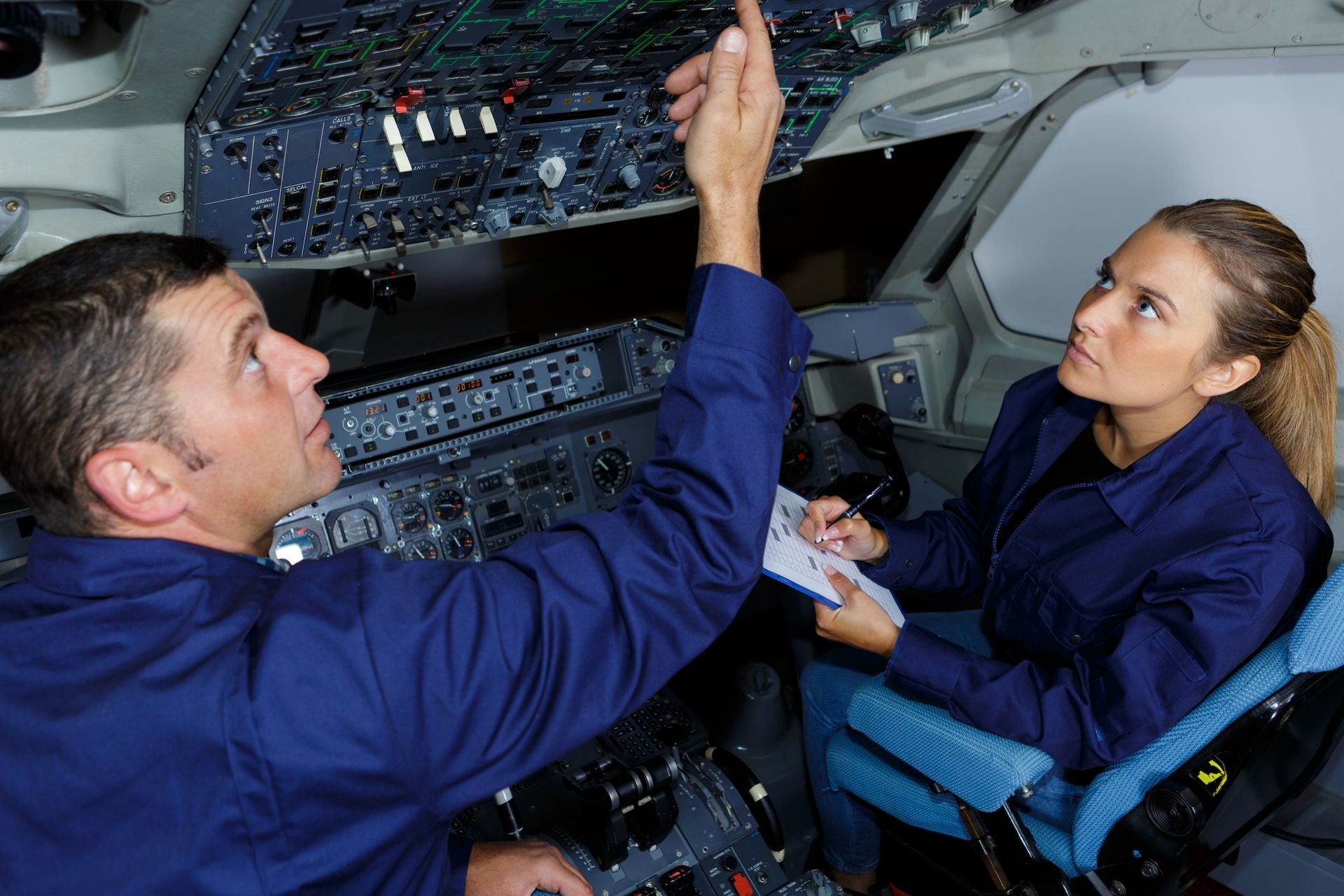
A flight instructor guiding a student through cockpit controls during training for a professional av
January 20, 2026
Discover which aviation license is right for your goals. From Private Pilot to ATP, learn FAA requirements and career paths in our complete guide.
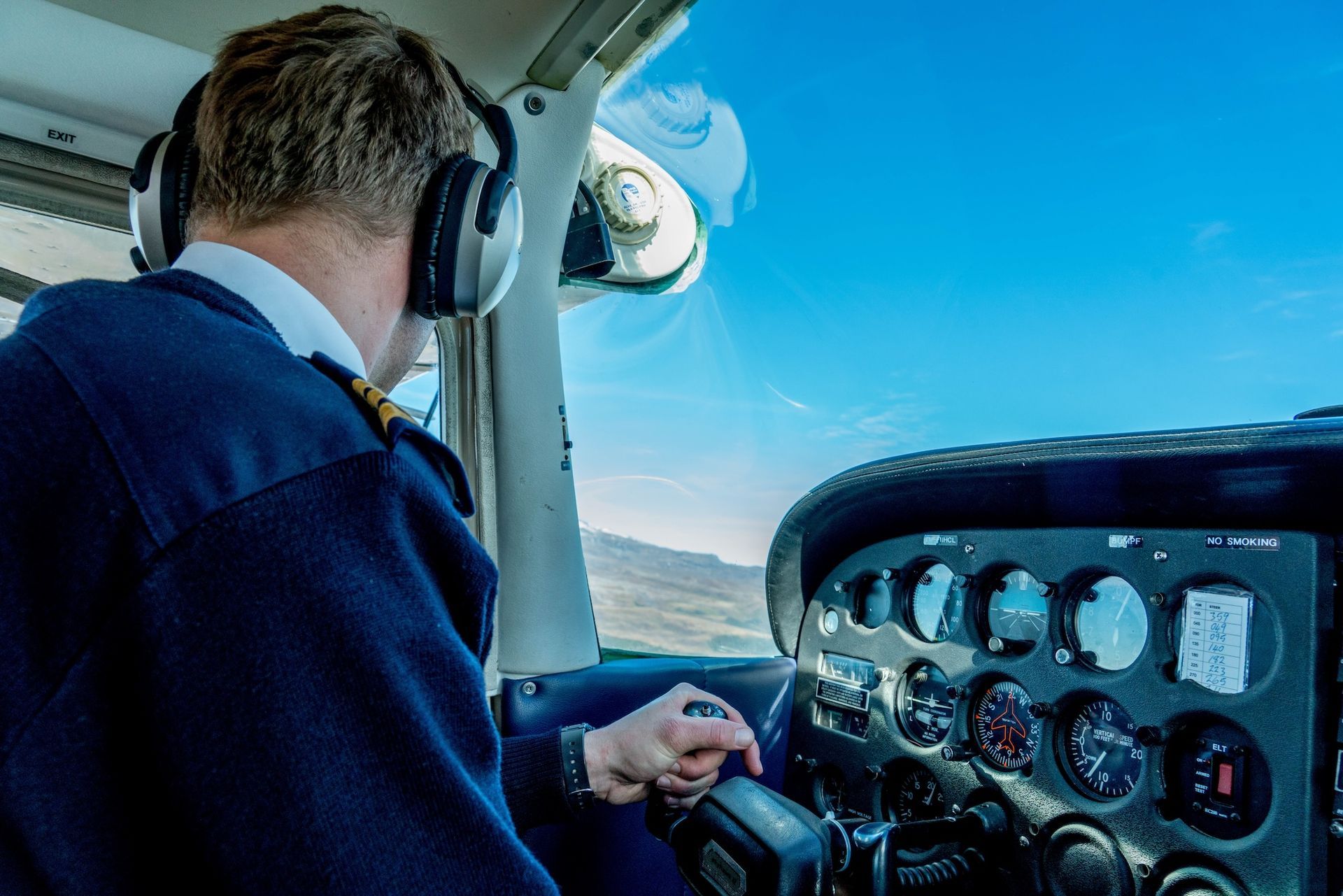
Student pilot flying with headset on and scanning cockpit gauges, practicing concepts essential for
December 18, 2025
Learn what IFR flight is, why it matters, and how to earn your Instrument Rating at Nationwide Aviation. Explore requirements, training steps, and how to get started with a Discovery Flight.
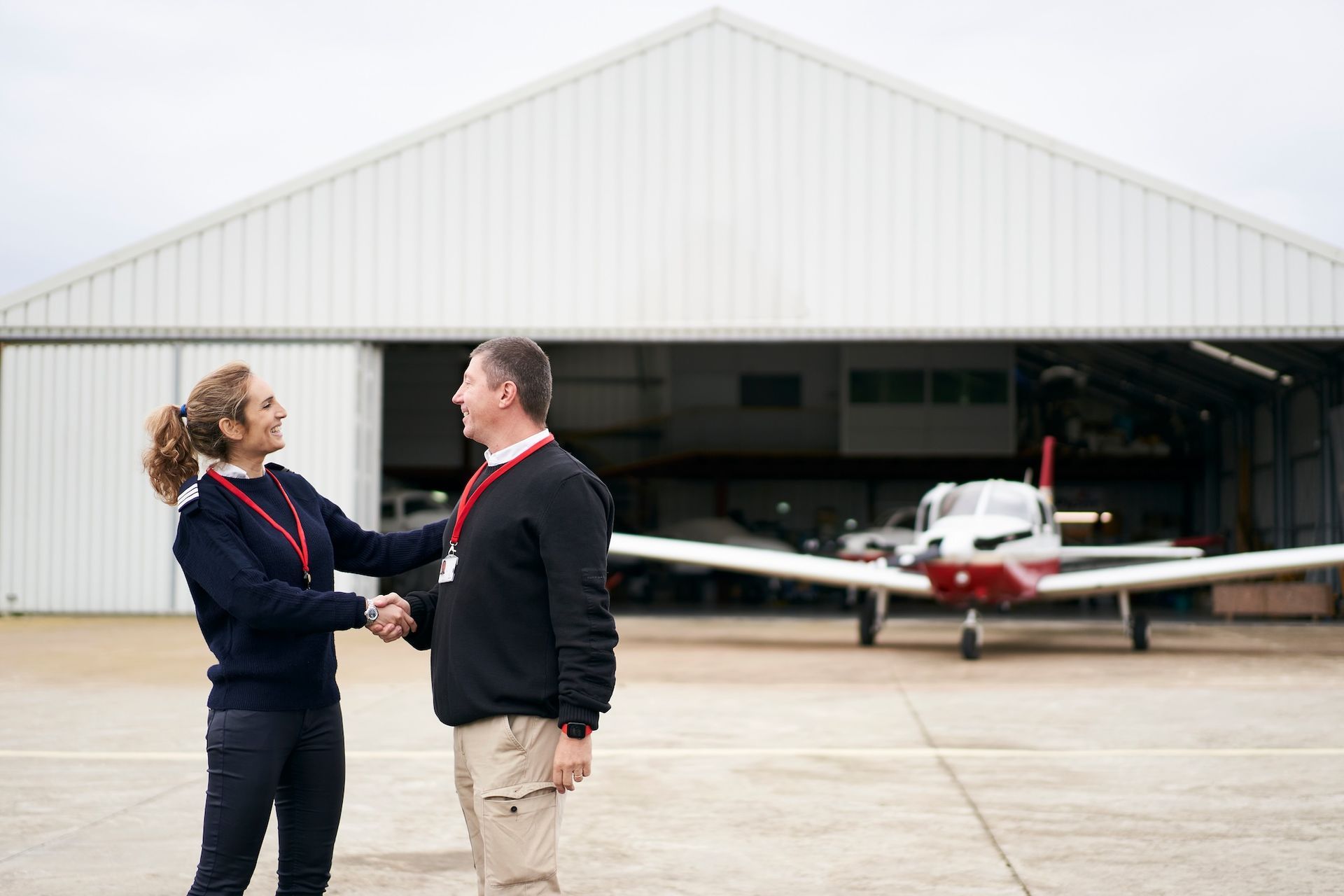
Flight instructor congratulating a student pilot outside an aircraft hangar after earning a license.
November 20, 2025
Ready to earn your student pilot license? Learn the FAA requirements, medical exam steps, costs, and application process in this step-by-step guide.
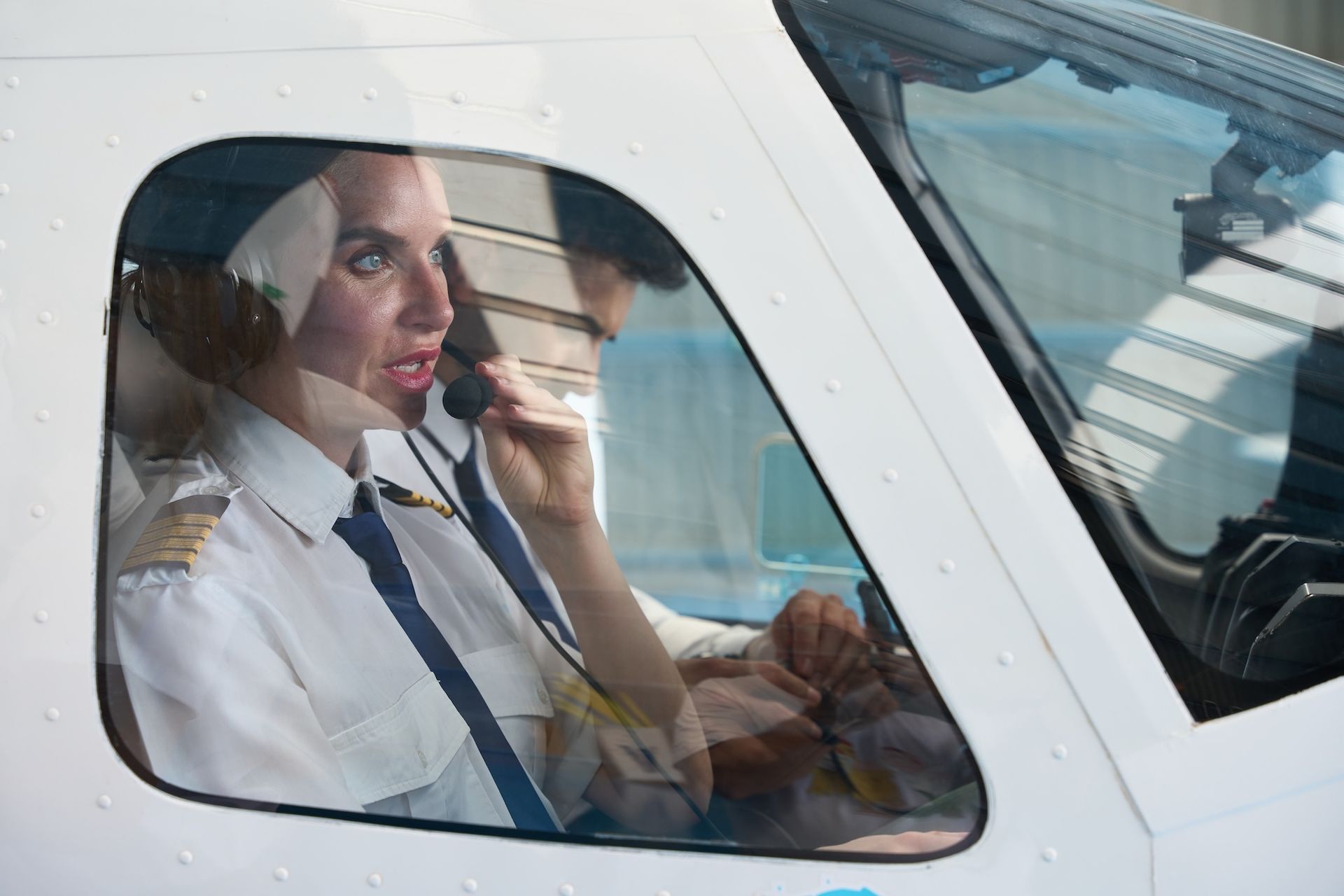
Pilot communicating through a headset inside the cockpit during training
November 20, 2025
Interested in how long does it take to become a pilot? Read this blog post for the training timeline explained by Nationwide Aviation.
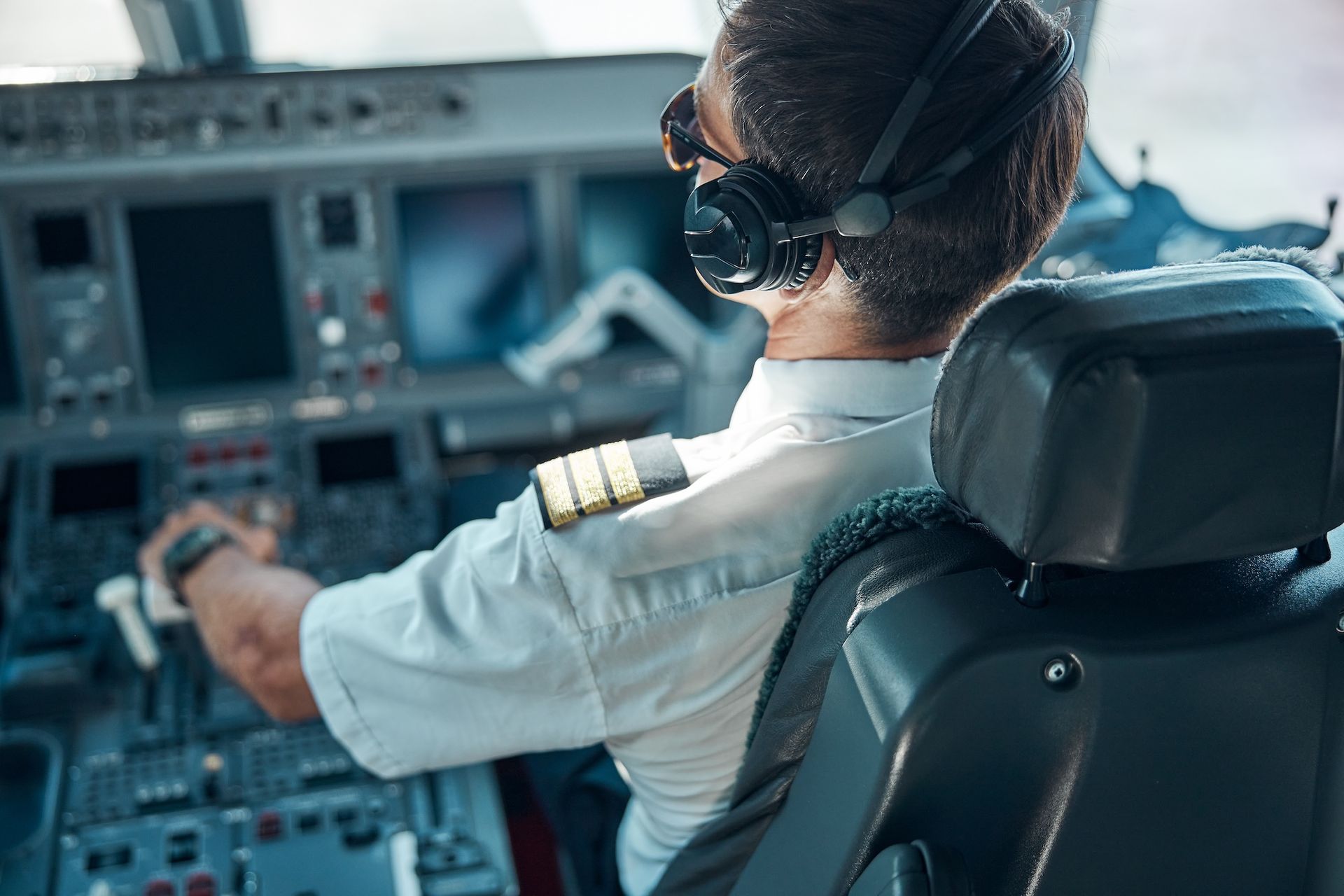
A commercial pilot wearing high-quality pilot headsets inside a cockpit, focused on flight controls
November 20, 2025
Shopping pilot headsets for flight training? See what instructors and real pilots recommend in 2025—from budget PNR to premium ANR—plus links to top-reviewed options and forums.
Commercial airliner parked at airport gate seen through terminal window.
By Nationwide Aviation October 6, 2025
Picture this: while your high school classmates are cramming for midterms and racking up student debt, you could already be in the cockpit, building flight hours, and earning a paycheck. Sounds too good to be true? It's not. The aviation industry is one of the few remaining fields where you can bypass the traditional four-year college route and still land a career that pays six figures: often more than many college graduates ever see. Here's the reality check: college might actually be holding you back from achieving your pilot dreams and maximizing your earning potential. Let's break down why going straight into professional flight training could be the smartest career move you'll ever make.
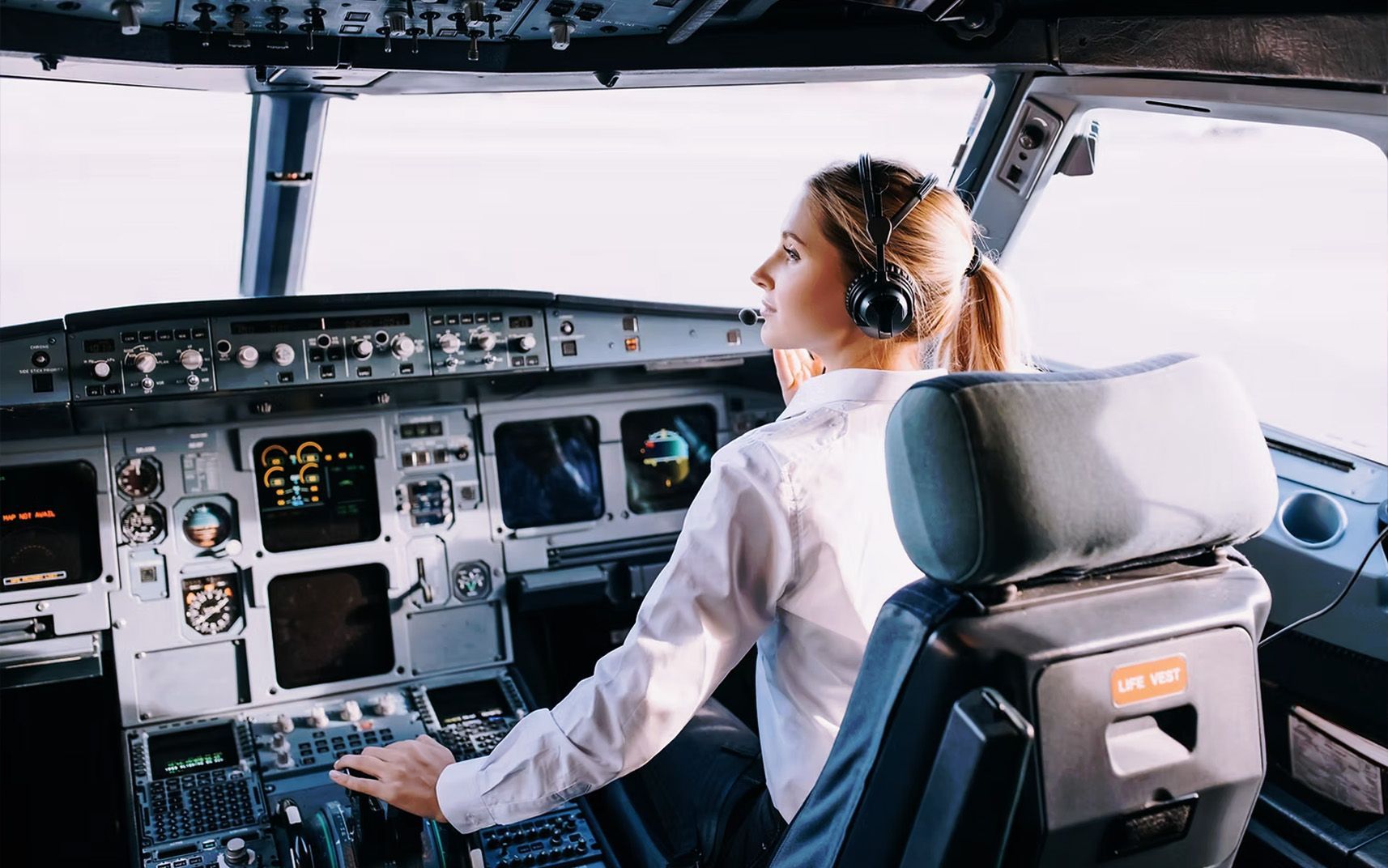
Pilot seated in cockpit preparing for flight training session.
By Nationwide Aviation September 17, 2025
When it comes to flying, most pilots spend their time focusing on instruments, weather reports, and navigation. But behind every successful flight lies a foundation of science that determines whether an aircraft can truly perform at its best. One of the most important (and overlooked) concepts is the molecular weight of air. Understanding it can make the difference between smooth, efficient flying and struggling with performance issues that you could’ve anticipated as a pilot. Let’s dive into the topics of weight molecular weight of air is, why pilots should care, and how you can start your pilot career where science meets skill. 

Two students standing near an aircraft with city skyline behind them.
By Nationwide Aviation September 4, 2025
Flight Simulator Training Benefits for Today’s Pilots
Student pilot operating aircraft with full cockpit instrument panel visible.
By Nationwide Aviation August 15, 2025
What Is an Instrument Rating?